
Menu
Same-Day Service Available!

If you are dealing with constant shedding, Upholstery Cleaning in Cypress, Texas can make a huge difference in how your home looks and feels. Pet hair has a way of finding every corner of a couch, every seam of a chair, and every textured spot on a sectional. It clings to fabric fast, especially in homes where dogs nap on the cushions, cats claim the armrest, or the whole family gathers on the same sofa every evening. A room can be freshly picked up and still look messy when furniture is covered in loose fur.
Here in Cypress, Texas, we see this issue all the time because furniture does real work in real homes. It handles movie nights, after-school lounging, weekend naps, and everyday pet routines. Hair does not just sit on the surface either. It twists into woven fibers, settles under cushions, and gathers around piping where quick cleanup tools often miss it. Once it mixes with everyday dust and body oils, the fabric can start feeling dull and heavy even if there are no obvious stains.
We take a family-safe approach because furniture cleaning should fit comfortably into daily life. Our brand has built trust over more than 30 years by focusing on quick-drying, low-moisture, hypoallergenic cleaning methods designed to be safe for kids and pets while still giving homeowners a fresher, cleaner home. We also believe furniture should be cleaned in a way that protects the fabric instead of over-wetting it or leaving heavy residue behind.
Pet hair is not only about appearance. It also affects comfort. A couch covered in fur can feel rough, look dusty in direct sunlight, and make the whole room feel less fresh. In Cypress, Texas homes where pets are part of the family, furniture usually gets cleaned in small, quick ways first. People use lint rollers, damp gloves, vacuum attachments, or throws to stay ahead of the mess. Those steps can help, but they often miss the fur packed into seams, under cushions, and along the base of the backrest.
Fast removal matters because the longer the hair stays in place, the more it works into the fabric. Daily use presses it deeper. Static makes it cling harder. Meanwhile, the furniture keeps collecting normal household debris too. As a result, a simple pet-hair problem can start turning into a broader upholstery cleaning issue.
Many homeowners try to get pet hair out of upholstery by scrubbing hard, spraying random products, or using tools that are too rough for the fabric. Those methods may seem fast, but they can leave the material looking worn or feeling stiff. A better plan is to remove the hair in layers, use the right tool for the fabric, and keep moisture controlled from start to finish. That is especially important when you are cleaning microfiber, textured upholstery, delicate woven pieces, or furniture with decorative seams.
Regular care also helps keep furniture looking better between deeper cleanings. If your couch, sectional, or chair is constantly collecting fur, keep reading. We are going to walk through a simple step-by-step process that shows how to get pet hair out of upholstery safely, what tools actually help, and when it makes sense to move from DIY upkeep to professional Upholstery Cleaning here in Cypress, Texas.
The fastest way to remove pet hair from furniture is to start with the fabric, not the tool. Different upholstery types react differently to friction, moisture, and suction. A durable woven couch may handle a rubber tool well, while a more delicate chair fabric may need a softer touch. Before you begin, inspect the upholstery closely. Look for the cleaning code tag if it is still attached. Check for loose threads, worn areas, delicate seams, or spots where the fabric already looks thin.
This step matters because pet hair removal should never come at the cost of damaging the furniture. Many homeowners in Cypress, Texas use the same approach on every chair and couch in the house, then wonder why one piece looks fine while another looks rough afterward. A quick fabric check helps you choose what is safe and avoid what is risky. Safe methods include gentle testing, soft tools, and dry removal first. Risky methods include stiff scrub brushes, soaking sprays, and aggressive scraping without checking the fabric type first.
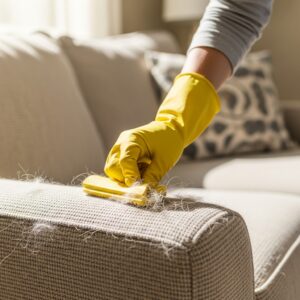
A lot of pet hair comes off faster when you remove the loose layer before using any machine. Start with your hand, a dry rubber glove, or a soft microfiber cloth. Move in one direction and gather the visible fur into small clumps. Then lift it away. Focus on the pet’s favorite spots first, such as the center cushion, the arm of the couch, or the corner of the sectional where they curl up every day.
This step saves time because vacuums work better after the bulky surface hair is already gone. If you skip straight to suction, the nozzle can drag the fur around or clog quickly. In busy Cypress, Texas homes, this simple first pass often removes more pet hair than people expect. It also shows you where the real buildup is hiding, especially around the edges and seams.
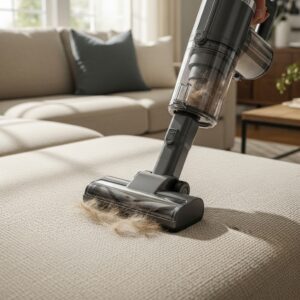
After the loose fur is removed, use a vacuum attachment made for upholstery. Slow, short passes work better than fast sweeping motions. Move across the cushion, then change direction so the suction reaches hair sitting between the fibers. Remove the cushions if possible and vacuum both sides, plus the base underneath. Pay close attention to seams, piping, and the crease where the seat meets the back.
This is one of the most important parts of Upholstery Cleaning because hair rarely stays on the flat visible surface alone. It settles into fabric folds and gets packed deeper by everyday use.
What is safe here is controlled suction with a fabric-appropriate attachment. What is risky is using a harsh floor head, a spinning beater bar, or rough plastic edges that can pull or fuzz the upholstery.
Once the surface and seams have been vacuumed, there is usually still a layer of pet hair clinging to the upholstery. Static and fabric texture make this part stubborn. A rubber glove, rubber squeegee, or rubber pet-hair tool can help gather what is left. Use short, gentle strokes and work in one direction. You will often see the fur start to roll into lines or small piles that are easy to lift away.
This works especially well on couches and sectionals in Cypress, Texas where pets use the same cushion day after day. Hair that looked invisible at first often shows up once the rubber tool starts pulling it loose. However, pressure matters. Gentle friction helps. Rough scraping does not. Always test a hidden area first if the upholstery is delicate or textured.
A sofa may look clean from the front while still hiding a surprising amount of pet hair underneath and between cushions. Lift removable cushions. Check under pillows. Look behind the back cushions and around zipper lines. Hair trapped there eventually works its way back onto the surface, which makes the furniture seem like it never stays clean.
Use a narrow crevice attachment carefully in those areas. Then follow with a glove or cloth if you still see buildup. If you notice dusty residue, pet odor, or fabric dullness while cleaning those hidden zones, that is often a sign the furniture needs more than basic hair removal. At that point, deeper Upholstery Cleaning may make more sense than repeating quick fixes.
A lint roller or reusable fabric-safe lint tool works best near the end, not at the beginning. Once the bulk of the hair is gone, use it on visible areas where sunlight makes every last strand stand out. The top edge of the back cushion, the front seat line, and chair arms usually benefit the most from this final step.
This is where furniture starts looking noticeably cleaner. The goal is not just to remove hair. The goal is to help the upholstery look even, fresh, and ready for normal use again.
Static is one of the biggest reasons pet hair seems impossible to remove from furniture. Even after a good pass with a vacuum or rubber glove, loose strands can reattach to the upholstery if the fabric is holding a charge. This happens often with synthetic materials, dry indoor air, fleece throws, and heavily used seating that sees constant movement from people and pets. In Cypress, Texas, many homes run air conditioning for long stretches, and indoor comfort can sometimes create the kind of dry environment that makes static worse.
A simple way to manage this is to use a lightly damp microfiber cloth and wipe the upholstery gently after the main hair removal steps are done. The cloth should be barely damp, not wet. The goal is to reduce the cling, not soak the furniture. You can also remove and wash pet blankets regularly, because they often carry a lot of static and loose fur back onto the couch right after you finish cleaning.
What is safe here is light moisture control and fabric-friendly materials. What is risky is spraying random anti-static products directly onto upholstery without checking how the fabric reacts. Strong sprays can leave residue, create spotting, or make the furniture feel stiff. If your upholstery attracts pet hair again almost immediately after you clean it, static may be one of the main reasons.
Many people think pet hair removal is only about tools. In reality, products can make a huge difference too. One of the biggest mistakes homeowners make is using upholstery sprays, fabric fresheners, or household cleaners that leave a sticky finish behind. Once that happens, the furniture starts trapping more than pet hair. It also holds dust, lint, and everyday debris much faster. Then the surface gets dirty again even if you just cleaned it.
This matters a lot in pet-friendly homes in Cypress, Texas where couches and sectionals are used heavily every day. A product that seems harmless at first can slowly change how the fabric behaves. The upholstery may feel tacky, attract more fur, or lose the clean, soft finish people want. Some products can also react poorly with certain fabrics and leave marks or stiff areas behind.
A safer approach is to keep pet-hair cleanup mostly dry unless the fabric clearly allows a light damp method. Do not mix multiple products together. Do not assume household cleaning sprays are safe for upholstery. Also, avoid over-wetting cushions just because the furniture looks dusty. Fast pet-hair removal should help the furniture look better, not create a bigger upholstery cleaning problem later.
There is a point where pet hair on furniture stops being a simple surface issue. If the upholstery still looks dull after repeated vacuuming, if the fabric feels rough, or if there is visible buildup in seams and cushion edges every few days, the furniture may need deeper care. Pet hair often comes with more than fur. It usually comes with dust, skin oils, tracked-in debris, and normal household buildup that settles into the fabric over time.
This is where homeowners often start feeling stuck. They can remove the visible fur, but the couch still does not feel fully clean. The fabric may look flat in direct light, or the same pet odor and lint keep returning no matter how often the surface gets cleaned. That is a strong sign that regular upkeep has reached its limit.
If your DIY methods feel risky, if the furniture is delicate, or if the pet hair problem keeps coming back faster than you can stay ahead of it, this is a good time to schedule professional Upholstery Cleaning. A deeper clean can help remove the embedded buildup that basic pet-hair tools leave behind and can restore a fresher feel to furniture that gets used every day.
The fastest way to handle pet hair long term is not to wait until the couch looks covered again. A simple maintenance routine helps keep upholstery under control before the buildup becomes obvious. That does not mean deep cleaning every week. It means doing small, consistent steps that protect the fabric and reduce how much fur settles in the first place.
Start by vacuuming pet-favorite furniture zones regularly using an upholstery attachment. Rotate and wash pet blankets often. Brush pets on a routine schedule when possible, especially during heavy shedding periods. Check under cushions and in seams instead of cleaning only the visible surface. Those small habits make a big difference because they stop the fur from settling deeper into the furniture.
It also helps to respond early when you see the first layer returning. A quick glove pass, a light vacuum, or a wipe with a dry microfiber cloth takes much less effort than a full cleanup after the furniture has been covered again. In Cypress, Texas homes where pets are part of daily life, upholstery stays in better shape when maintenance is steady and realistic.

One of the biggest benefits of Upholstery Cleaning is how quickly it changes the feel of a room. Pet hair has a way of making even a tidy space look unfinished. A sofa covered in fur can make the entire living room seem dusty, even when the floors are clean and everything else is picked up. Once the upholstery is cleaned properly, the room often looks brighter, neater, and more comfortable right away.
This matters in Cypress, Texas homes where the living room, den, or family room is used every day. Furniture is usually the center of the space, so when it looks clean, the whole room feels more inviting. Guests notice it. Family members notice it. Even the furniture itself feels more relaxing to sit on once the loose fur and embedded debris are removed.
A cleaner furniture surface also makes everyday upkeep easier. It is much simpler to stay ahead of shedding when you are not constantly fighting weeks of buildup. Upholstery cleaning helps create that reset point, which can make the room feel manageable again instead of always one step behind the pets.
Pet hair affects more than appearance. It changes how upholstery feels. When fur builds up in textured fabric, along seams, or across commonly used cushions, the furniture can start feeling rough, dusty, or less enjoyable to use. That can be frustrating because a couch should feel comfortable, not like it needs to be brushed off every time someone sits down.
A good upholstery cleaning process removes the loose hair, but it also helps address the deeper debris sitting in the fabric. That includes dust, light soil, and buildup from daily use. As a result, the furniture often feels softer and cleaner under normal use. In Cypress, Texas, where families spend a lot of time indoors during hot weather, comfort matters. Clean upholstery supports that comfort in a very practical way.
This benefit becomes even more noticeable in homes with multiple pets or large shedding breeds. When hair is removed consistently and deeper cleaning is done when needed, the couch or chair feels more like a piece of furniture again and less like a place where fur just keeps collecting.
When pet hair stays on upholstery too long, it usually does not stay alone. It mixes with oils, dust, and friction from constant use. Over time, that can make fabrics look dull and worn faster than expected. While upholstery cleaning cannot undo permanent damage, it can help reduce the kind of buildup that makes fabrics age harder and look tired sooner.
This is especially helpful for frequently used sectionals, recliners, and accent chairs in Cypress, Texas homes. Furniture in high-use rooms gets a lot of repeated contact from pets and people. The more buildup that sits in the fabric, the harder the surface has to work through daily wear. Keeping the upholstery cleaner can help preserve a more even appearance and reduce the chance of the fabric looking neglected before its time.
It also helps homeowners spot real wear more clearly. Once the loose fur and surface debris are gone, you can better see whether the issue is shedding, fabric flattening, seam stress, or normal aging. That clarity makes it easier to care for furniture properly instead of guessing at what it needs.
A lot of pet owners get stuck in a cycle of constant surface cleanup. They use a lint roller, then a vacuum, then a blanket over the couch, then another quick cleanup a day later. While those steps can help, they do not always solve the deeper issue. When the upholstery is holding embedded debris or lingering buildup, pet hair returns to the surface faster and clings more stubbornly.
Professional or deeper Upholstery Cleaning helps break that pattern. Instead of only removing what is visible, it addresses what is sitting deeper in the fabric. That gives the furniture a cleaner baseline and helps daily maintenance work better. In many Cypress, Texas homes, that means pet hair still exists, because pets are pets, but it becomes much easier to manage and much less overwhelming.
This is also where a mid-blog booking nudge makes sense. If you are constantly cleaning the same couch, if fur keeps returning right after you finish, or if the upholstery feels dull no matter what you try, scheduling a professional cleaning can save time and help protect the fabric from repeated DIY trial and error.
Without making medical claims, it is fair to say that cleaner furniture usually supports a fresher home. Upholstery collects everyday household debris very easily. Add pet hair to the mix, and the furniture can start holding onto dust, lint, and a general stale feel. A proper cleaning helps reduce that buildup and gives the room a cleaner, more put-together atmosphere.
In Cypress, Texas, where furniture often becomes the main hangout spot for both families and pets, indoor freshness matters. People want a room that feels clean enough to relax in, host in, and enjoy every day. Upholstery cleaning helps support that by improving the surfaces people touch and use most often.
A cleaner couch also pairs well with other light upkeep around the home. For example, vacuuming nearby rugs, washing pet bedding, and wiping down side chairs can help the space feel more balanced overall. Upholstery cleaning does not have to work alone. It can be part of a practical routine that keeps the home feeling cared for without becoming overly complicated.
Sunlight can be unforgiving on upholstery. A couch that looks fine at night may show every strand of hair the next morning. This is especially true near windows, patio doors, and bright living spaces. Pet hair becomes much more visible when natural light hits textured fabric, darker material, or tightly woven seating.
Upholstery cleaning improves how furniture looks in those real-life lighting conditions. It helps remove the visible layer of fur and the fine debris that can make the fabric look dusty. That makes a big difference in the overall appearance of the room. In Cypress, Texas homes with open living spaces and bright natural light, this kind of visual improvement is often one of the first things homeowners notice after a proper cleaning.
The result is not just cleaner-looking furniture. It is also a more polished everyday space. The room looks more cared for, the couch photographs better, and normal use feels less frustrating because the surface does not immediately advertise every pet visit.
One overlooked benefit of Upholstery Cleaning is that it encourages better long-term care. Once the furniture has been cleaned properly, homeowners usually find it easier to maintain because they are working from a clean starting point. They are more likely to vacuum regularly, rotate pet blankets, and address buildup early instead of waiting until the couch feels overwhelmed.
This can be a big advantage in Cypress, Texas homes where furniture gets daily use from kids, guests, and pets all at once. A good maintenance rhythm makes the furniture easier to live with and can help delay the point where it looks older than it really is. Cleaning alone does not create good habits, but it often makes them easier to keep.
Over time, that can make a real difference in how long furniture stays attractive and comfortable. Instead of feeling like the couch is always losing the battle against pet hair, the home starts to feel more in control. That is one of the most practical benefits of all.
One of the best ways to control pet hair is to stop treating it like a surprise. Pets usually return to the same spots over and over, which means the same sofa cushion, recliner corner, or sectional seat keeps collecting fur before the rest of the furniture does. Here in Cypress, Texas, we see this often in living rooms where the family dog naps by the window or the cat claims one end of the couch every afternoon. Once you identify those favorite zones, you can clean smarter instead of cleaning everything the hard way.
A steady routine works better than waiting until the upholstery looks fully covered. Start by doing a light pet-hair pass a few times a week on the most-used spots. Use a fabric-safe vacuum attachment, a dry rubber glove, or a reusable upholstery tool that gathers loose hair without dragging the fabric. Then do a more complete cleanup weekly by lifting cushions, checking seams, and handling the hidden buildup underneath. This kind of schedule protects the look of the furniture and reduces the amount of fur that keeps working deeper into the material.
This also helps with comfort. When pet hair sits too long, it mixes with everyday dust and oils from normal use. As a result, the furniture starts feeling rougher and looking dull faster. Small, consistent upkeep prevents that layer from building so heavily in the first place. Upholstery service guidance for Safe-Dry also supports regular in-home furniture care, quick-drying results, gentle treatment for delicate fabrics, and removal of embedded dirt and debris, which all fit well with this kind of maintenance mindset.
A lot of pet owners use throws or couch covers, and they can absolutely help. However, they work best as part of a maintenance plan, not as a substitute for upholstery cleaning. Throws catch a lot of loose fur before it reaches the fabric, especially on couches, loveseats, and sectionals. They are especially useful during heavier shedding seasons or when pets are allowed on only certain parts of the furniture.
The key is placement and consistency. Cover the areas your pet actually uses, not just the center of the seat. That may mean protecting the armrest, back corner, or one side cushion instead of laying a blanket loosely across the whole couch. Wash those covers regularly too. A fur-covered throw that stays on the couch too long stops helping and starts transferring the same pet hair back onto the upholstery.
You should also remember that throws do not protect the whole furniture piece. Hair still settles into exposed seams, underneath cushions, and along edges where the cover shifts. That is why upholstery cleaning still matters even in homes that use blankets or pet pads every day. Covers reduce buildup, but they do not eliminate it.
For homeowners in Cypress, Texas, this is one of the easiest ways to keep furniture looking better between deeper cleanings. It works especially well when paired with regular vacuuming and quick weekly checks of the hidden areas where fur likes to collect.
One of the biggest mistakes people make with pet-hair cleanup is turning it into a product-heavy job. When hair sticks badly, it is tempting to spray something on the couch and hope the problem loosens up. However, many upholstery issues get worse when too much product is involved. Fabric fresheners, household sprays, and heavy cleaners can leave residue behind. Once that happens, the upholstery may start attracting more hair, more lint, and more everyday debris than before.
This matters because fast cleanup should not create long-term buildup. In many Cypress, Texas homes, people are not just fighting pet hair. They are also dealing with the dust and everyday wear that comes from a busy family room. If the upholstery starts feeling tacky or stiff after cleaning, the problem is no longer just fur. It becomes a surface issue that needs more than a lint roller or vacuum.
A safer approach is to keep most pet-hair removal dry. Start with hand-lifting, vacuuming, and rubber friction tools before introducing any moisture at all. If you use a microfiber cloth, keep it only slightly damp and test a hidden section first. Avoid random spray combinations, and do not assume that a product safe for carpet is automatically safe for upholstery.
Safe-Dry’s brand information emphasizes soap-free, hypoallergenic, residue-free cleaning methods and quick-drying service designed to avoid the sticky buildup that attracts more soil over time. That same mindset works for home care too. The less residue left behind, the easier it is for furniture to stay presentable longer.
The areas that look cleanest at first glance are not always the areas holding the most pet hair. Seams, piping, cushion gaps, under-cushion panels, and textured upholstery surfaces are usually the real problem zones. Hair gets pushed into these spaces by daily use, then starts working its way back out after you think the cleanup is done. That is why many people feel like the furniture never stays clean for long.
A better home-care routine includes those hidden areas every single time. Lift the cushions if they are removable. Vacuum the creases carefully. Use a rubber glove or a soft upholstery tool around piping and decorative edges. If your sofa has a textured weave, move slowly and change directions so the tool can pull hair from different angles. This kind of detailed pass makes a much bigger difference than cleaning the visible flat cushion alone.
Fabric texture also matters when choosing your method. Microfiber, woven materials, and synthetic blends all grab fur differently. Some release hair quickly with a glove. Others need gentle vacuuming followed by a lint pass. The important thing is to avoid using one harsh method on every fabric just because it worked on one piece of furniture.
If those hidden zones keep filling up again fast, or if the furniture still looks dusty after multiple cleanups, that is often a sign the upholstery needs a deeper reset. A gentle scheduling reminder fits naturally here. When recurring hair, dust, and buildup keep returning to the same couch or chair, professional upholstery cleaning can help you get ahead of the cycle instead of repeating the same quick fix over and over.
Not every pet sheds the same, and not every month looks the same either. Some dogs shed lightly all year. Others drop much more hair during seasonal changes. Some cats leave fur mostly on one chair, while multi-pet homes can have hair on nearly every upholstered surface. A smart maintenance plan adjusts to that reality instead of trying to follow one rigid routine all year long.
During heavier shedding periods, increase your upholstery maintenance. That may mean vacuuming pet-favorite furniture several times a week, brushing pets more often, washing throws more regularly, and doing a full furniture check once a week instead of every other week. During lighter periods, you may only need quick touch-ups and a regular vacuum routine to stay ahead of the mess.
This kind of flexible schedule is practical for Cypress, Texas homes because family routines change too. School schedules, time indoors, weather patterns, and daily activity all affect how often furniture gets used. The more heavily the couch or sectional gets used, the faster pet hair combines with dust, lint, and normal household grime.
The upholstery keyword guidance for Safe-Dry also highlights quick-drying upholstery cleaning, in-home upholstery care, deep-clean furniture service, and safe treatment for many fabric types, including microfiber, synthetic fabrics, and natural fibers. Those details support the idea that regular care should be practical, fabric-aware, and designed to preserve comfort as well as appearance.
When pet hair takes over your couch or favorite chair, you do not just want a temporary improvement. You want the furniture to feel clean again, dry quickly, and stay comfortable for everyday use. That is where our cleaning approach matters. Here in Cypress, Texas, we know upholstery is one of the most-used surfaces in the home. Families gather on it, kids stretch out on it, and pets settle into it every single day. Cleaning it should feel practical, safe, and worth scheduling.
Our broader brand philosophy is built around providing carpet, rug, and upholstery cleaning without harsh chemicals while keeping the process safe, hypoallergenic, and soap-free. That matters for furniture because upholstery often reacts poorly to overly wet or residue-heavy methods. The goal is not just to freshen the surface. The goal is to clean the fabric in a way that supports a better result without leaving behind the kind of sticky film that grabs more hair and dirt later.
Furniture cleaning should not leave the couch unusable for too long. It should also avoid over-wetting cushions and fabric layers whenever possible. That is one reason our overall cleaning method emphasizes low moisture and fast dry times. Safe-Dry’s main brand information explains that its low-moisture approach uses far less water than traditional steam cleaning and is designed to dry much faster while helping leave surfaces clean and residue-free.
For upholstery, that quick-drying mindset matters a lot. A couch, chair, ottoman, or sectional is not just décor. It is part of the family’s daily routine. People want it back in use quickly, especially in busy homes. A fast-drying furniture cleaning process also feels more convenient because it fits better into everyday schedules. Instead of waiting around for saturated furniture to recover, homeowners can enjoy a fresher piece much sooner.
The upholstery keywords tied to Safe-Dry also reinforce this by focusing on quick-drying upholstery cleaning, fast-drying furniture cleaning, no soaps or harsh chemicals, and safe care for many common upholstery materials.
Furniture cleaning is not one-size-fits-all. A delicate chair fabric and a heavily used sectional do not need the exact same treatment. A pet-hair problem on microfiber is not the same as hair clinging to a woven sofa. That is why trained technicians matter. Safe-Dry’s brand materials describe uniformed technicians who are fully trained and expected to exceed customer expectations with every cleaning. They also emphasize a strong commitment to making things right if a service ever falls short.
That kind of service mindset matters here in Cypress, Texas because homeowners usually want honest guidance as much as they want clean furniture. They want to know what is safe for the fabric, what kind of result to expect, and whether the issue is surface pet hair, deeper debris, odor buildup, or a combination of several things. A trained eye helps separate those problems and choose a cleaning plan that makes sense for the piece.
We also know convenience matters. Fast scheduling, clear communication, and customer-focused service help take the stress out of cleaning upholstery that already gets heavy daily use. That customer-first approach has been part of the company mission for decades, alongside its focus on training, product integrity, and consistent results.
One of the hardest parts of pet-hair cleanup is how quickly the problem seems to come back. Often, that happens because the furniture is not only holding hair. It is also holding embedded dust, debris, and residue from previous cleaning attempts. When residue stays behind, fresh fur sticks more easily. That makes the upholstery feel like it never really got clean.
Our approach is designed around reducing that cycle. Safe-Dry’s brand information emphasizes no soaps or detergents, no dirt-attracting residue, and a process intended to leave surfaces clean, dry, and easier to maintain. That is especially useful for upholstered furniture in homes with pets, where long-term manageability matters just as much as the immediate appearance.
For Cypress, Texas homeowners, that means upholstery cleaning can feel less like a temporary cosmetic fix and more like a practical home-care step. The furniture looks better, feels fresher, and becomes easier to keep up between visits. When the service is family-safe, quick-drying, and handled with care, it supports the kind of clean home people actually want to live in every day.
The fastest way to get pet hair out of upholstery is to remove it in layers instead of relying on one tool. In most Cypress, Texas homes, we recommend starting with a dry rubber glove or microfiber cloth to gather the loose surface hair first. After that, use a vacuum with an upholstery attachment to pull fur from seams, cushion edges, and deeper fabric areas. Then finish with a fabric-safe lint tool for the small strands still left behind.
This process works better because pet hair usually is not sitting only on the top of the cushion. It wraps around fibers, collects along piping, and settles into the cracks between cushions. A quick top pass may improve the look for a few minutes, but it often misses the areas where the buildup is really hiding. That is why Upholstery Cleaning works best when you move step by step instead of rushing through the surface.
For homeowners here in Cypress, Texas, the key is using the right amount of friction without damaging the fabric. Gentle removal, careful vacuuming, and consistent upkeep usually give the fastest and safest results. If the hair keeps returning immediately or the furniture still feels dull after cleanup, a deeper upholstery cleaning may be the smarter next step.
Pet hair sticks to upholstery because of a combination of fabric texture, static, body oils, and everyday friction. In Cypress, Texas homes, pet hair often clings hardest to couches, sectionals, and chairs that are used every day. The more a cushion gets sat on, the more the hair gets pressed into the fabric instead of staying loose on the surface. Once that happens, it becomes much harder to remove with a simple lint roller or a quick swipe of the hand.
Some fabrics also hold hair more aggressively than others. Textured weaves, microfiber, and certain synthetic blends can trap fur tightly, especially around seams and corners. Static also plays a role, particularly when indoor air is dry or when blankets and pet covers are constantly moving around on the furniture. Even after you remove visible hair, a static-heavy fabric can pull loose strands right back in.
This is why Upholstery Cleaning is not just about appearance. It is also about restoring control over the fabric surface so the furniture feels easier to maintain. Here in Cypress, Texas, we often see homeowners get frustrated because they keep cleaning the same couch over and over. Usually, the issue is not that they are doing nothing. The issue is that the fabric is holding onto more hair, dust, and debris than a quick cleanup can really handle.
A lint roller can help, but it should not be your only method if you are dealing with heavy pet hair buildup. In many Cypress, Texas homes, a lint roller works best as a finishing step after the loose hair has already been lifted by hand and the deeper fur has been vacuumed from the fabric. If you use a lint roller first on a couch covered in pet hair, you may go through several sheets quickly and still leave a lot behind.
The main problem is that lint rollers only grab what they can reach easily. They are useful for visible strands on cushion tops, chair arms, and the front edge of the seat. However, they do not do much for fur wrapped into textured fabric, packed into seams, or hiding beneath removable cushions. That is why many people feel like the furniture looks better for a moment but still does not feel fully clean.
For better Upholstery Cleaning in Cypress, Texas, think of the lint roller as a detail tool, not the full solution. It is helpful for the final touch when sunlight is showing every little strand. However, it should come after hand removal, vacuuming, and careful attention to the hidden buildup zones. If even that process does not get the furniture where you want it, professional cleaning can often make a much bigger difference.
Vacuuming helps a lot, but by itself it is not always enough. A vacuum with the right upholstery attachment can remove loose pet hair, dust, and surface debris from couches and chairs. However, pet hair tends to settle into seams, wrap around woven fibers, and cling to textured upholstery in ways that suction alone may not fully handle. In Cypress, Texas homes with pets on the furniture every day, vacuuming is important, but it usually works best as one part of a larger routine.
A better approach starts with lifting the bulky surface hair first. Then vacuuming becomes much more effective because it can focus on what is embedded instead of simply pushing big clumps of fur around. After vacuuming, many homeowners still need a rubber glove, a fabric-safe pet hair tool, or a lint pass to gather what is left behind. That final stage is often what makes the upholstery actually look finished.
Regular vacuuming still matters because it helps stop pet hair from building up week after week. It also reduces the amount of dust and everyday debris mixing into the upholstery. For Upholstery Cleaning in Cypress, Texas, vacuuming is one of the most useful maintenance habits, but it is usually not the only tool needed when the furniture is heavily used by both people and pets.
The right schedule depends on your home, your pet’s shedding level, and how often the furniture gets used. In Cypress, Texas, many families need to do light pet-hair removal from favorite furniture spots several times a week. That might mean using a glove, vacuum, or upholstery tool on the couch cushion the dog sleeps on or the chair the cat uses every afternoon. Then, once a week, it usually helps to do a deeper pass that includes seams, cushion gaps, and under-cushion areas.
For heavier shedders, or during seasonal shedding periods, more frequent upkeep makes a big difference. Waiting too long allows hair to settle deeper into the upholstery, where it mixes with dust and everyday debris. At that point, even a longer cleanup can feel less effective because the furniture is already carrying a lot more than just visible fur.
Professional Upholstery Cleaning should also be part of the bigger picture when recurring buildup starts affecting the way the furniture looks and feels. If your couch in Cypress, Texas still seems dusty or rough no matter how often you vacuum it, or if pet hair returns almost immediately after cleaning, that is usually a sign the upholstery needs more than normal maintenance. Regular touch-ups help, but deeper cleaning keeps the furniture feeling fresher long term.
DIY pet hair removal works well for maintenance, but it has limits. You should consider calling a professional when the furniture still looks dull after repeated cleanup, when the pet hair comes back almost immediately, or when the upholstery feels like it is holding more than just fur. In Cypress, Texas, this often happens with large sectionals, heavily used recliners, and couches where pets spend hours every day. The visible hair may come off, but the deeper dust, oils, and fabric buildup remain.
Another sign is when DIY methods start feeling risky. If you are tempted to scrub harder, try stronger products, or use tools that may damage the upholstery, it is usually a good time to stop. Furniture fabric can be sensitive, and an aggressive method that seems fast can leave it rough, streaked, or stiff afterward. Professional Upholstery Cleaning is often the safer option when the piece is delicate, expensive, or already showing wear.
For Cypress, Texas homeowners, the goal is not just removing hair one more time. The goal is getting the furniture back to a cleaner, fresher baseline. If you feel like you are always fighting the same mess and never really winning, that is usually the point where professional care becomes more practical than repeating the same surface fix again and again.
Yes, professional Upholstery Cleaning can help a lot with pet hair problems because it addresses more than the visible fur. In Cypress, Texas homes, pet hair often comes with dust, light soil, body oils, and trapped debris that settle into the fabric over time. Even when homeowners do a good job with vacuuming and lint tools, the furniture can still feel less fresh because the deeper buildup is still there. Professional cleaning helps remove that layer and reset the upholstery more completely.
Another reason it helps is that recurring pet hair problems are often made worse by residue from past DIY efforts. If sprays, fabric fresheners, or cleaning products have been used too heavily, the upholstery may be grabbing onto more fur than it should. A professional process focused on family-safe, low-moisture cleaning can help restore a cleaner surface without leaving behind sticky buildup that attracts more debris.
For homes here in Cypress, Texas, this can make daily maintenance much easier. Pet hair may still show up, because pets are still part of the home, but the furniture becomes easier to keep up with. It looks cleaner, feels better, and responds more quickly to regular upkeep. That is why professional upholstery cleaning is often less about one perfect cleaning day and more about making the furniture easier to live with over time.
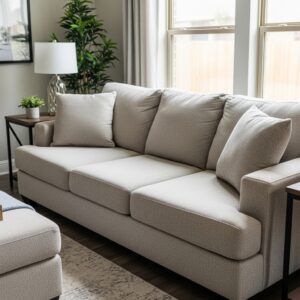
Pet hair has a way of making furniture feel like a full-time job. It collects on the seat cushions, wraps into the seams, hides under pillows, and keeps coming back just when you think the couch finally looks clean again. Here in Cypress, Texas, we know that kind of buildup is frustrating because furniture is where family life happens. It is where people gather, pets rest, and everyday comfort matters. When the upholstery looks covered in fur, the whole room can feel less fresh and less put together.
The good news is that this problem can usually be managed much better with the right routine. Surface hair can often be removed with a smart mix of hand-lifting, vacuuming, rubber friction, and regular maintenance. However, when the fur keeps returning fast, when the fabric feels dull, or when the furniture seems like it is holding deeper debris too, it is often time for a more complete upholstery cleaning approach. Taking care of the problem early usually protects both the look and the comfort of the furniture.
If your couch, chair, or sectional is always covered in fur, now is a great time to stop chasing quick fixes and schedule a deeper clean. Safe-Dry Carpet Cleaning of Cypress, Texas can help refresh your furniture with a family-safe, quick-drying upholstery cleaning approach designed for cleaner fabric, easier upkeep, and a more comfortable home. Book your service today and give your favorite furniture a fresher start.


