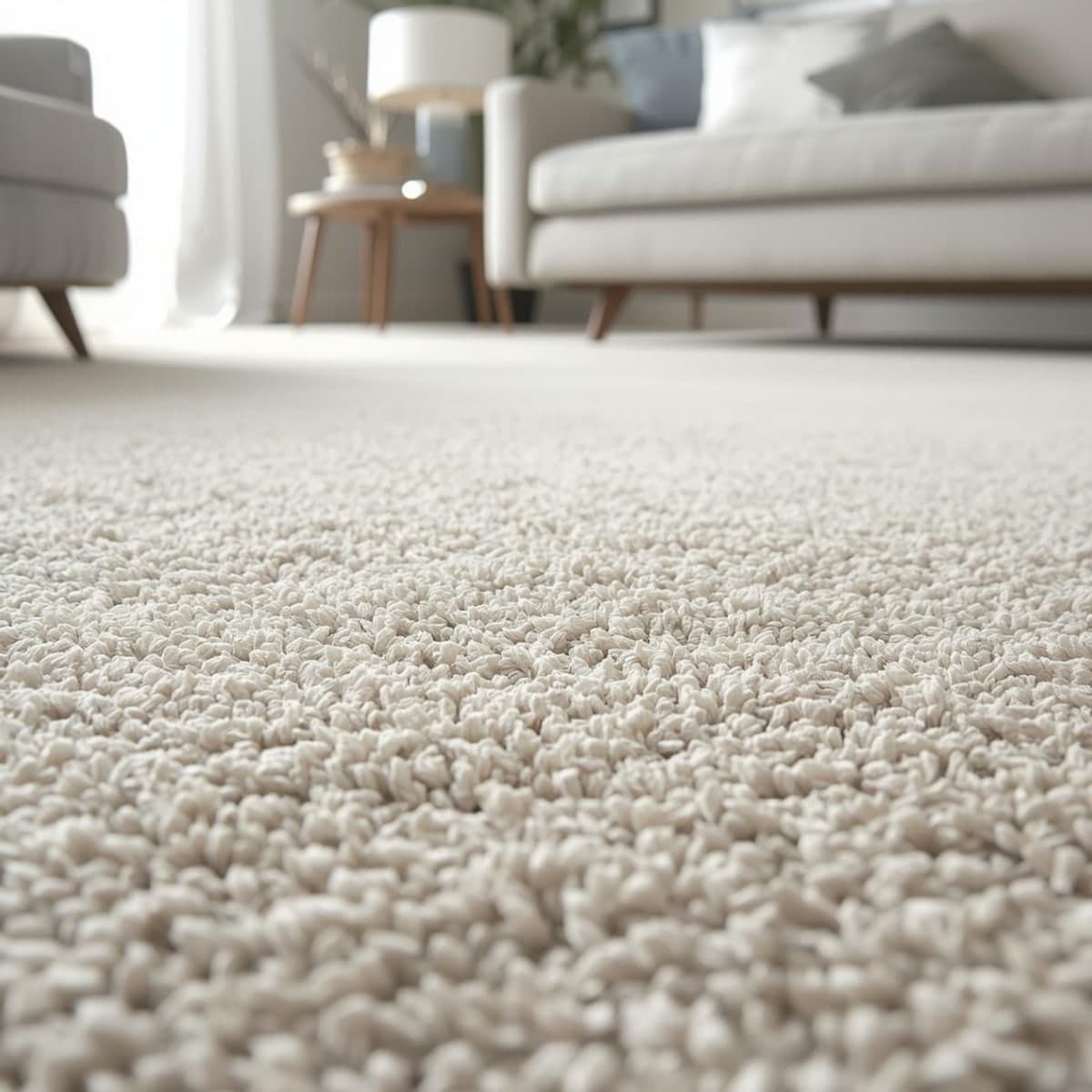
Carpet is the biggest air filter in your house. Every square foot of it catches dust, pollen, pet dander, skin flakes, and whatever blows in off the construction sites around 77433. Unlike the filter in your AC return, nobody swaps it out every three months.
That's what "hypoallergenic carpet cleaning" is trying to address. The term gets thrown around loosely, so let's pin it down.
What the term means, and what it doesn't
Hypoallergenic cleaning is about two things: what gets removed, and what gets left behind.
The removal side is straightforward. Vacuuming pulls loose particles off the surface, but fine dander and pollen work their way down into the pile where a household vacuum doesn't reach. A proper cleaning lifts that out.
The leftover side is where most cleaning methods fall down. Detergent-based cleaning, including steam extraction, leaves some soap in the carpet. That soap does two bad things. It attracts new dust faster, and it's an irritant in its own right for a lot of people. Scented deodorizers pile on more. So a cleaning can make the carpet look better and leave the room feeling worse.
A hypoallergenic clean uses a solution that's soap-free and fragrance-free, uses controlled moisture so the carpet dries fast, and leaves nothing behind that wasn't there before.
Now the other half. Nobody should sell it to you as a medical treatment, and if a company's ad copy reads like a prescription, we'd keep shopping. Cleaning your carpet won't cure allergies, and no method removes every particle permanently. What a good cleaning does is take the load down considerably and, done right, keep it down longer because the carpet has no coating for the next round of dust to grab. It also doesn't replace regular maintenance. The cleaning resets the carpet. Your habits decide how fast it fills back up.
Why residue is the whole game
Try this. Walk barefoot across a carpet that was cleaned a month ago. If it feels slightly stiff or tacky, that's detergent film, and every bit of pollen that comes through the door is sticking to it.
We did a house off Spring Cypress Rd last spring where the previous company had been out four months earlier and the traffic lanes already looked worse than the closets. The homeowner assumed the carpet was shot. It was soap. A carpet that's been shampooed often resoils in the lanes within six to eight weeks; carpet cleaned without any detergent stays clean up to four times longer, because there's nothing for dirt to bond to.
Our carpet cleaning works this way. A carbonated solution lifts the soil, we extract it, and you're walking on the carpet again about an hour later. No soap, no perfume, no film. For homes that want an extra step, our antibacterial sanitizer treatment can be added to the same visit. Our honest take: skip the sanitizer on the formal living room nobody sits in and put it on the playroom carpet.
Habits that keep an allergy-aware home cleaner between visits
Vacuum slowly. Overlapping passes at walking speed pull far more out of the pile than a quick back-and-forth. Do the high-traffic rooms twice a week and empty the canister outside.
Stop the allergens at the door. Mats, a shoes-off rule if your family will tolerate it, and wiping the dog's paws after the evening walk along Cypress Creek.
Go light on spot cleaners. Blot spills, use as little product as possible, rinse with plain water. Skip anything with a strong scent.
Dust the room too. Shelves, ceiling fans, and blinds shed onto the floor. Wash pet bedding and throw rugs on a schedule.
Watch the humidity. Dust mites thrive above 50 percent humidity, which the Gulf Coast delivers for free most of the year. Running the AC steadily and fixing any room that stays clammy makes a real difference. Bedrooms with the door shut all day are the usual offenders, and the one over the garage is almost always the worst of them.
When to schedule
Most homes do well with a professional cleaning once a year. Homes with pets, small children, or anyone sensitive to dust usually land at every six to nine months. Spring after the oak pollen and fall before the house closes up for the cooler months are the two moments that pay off most.
The clearer signals: dust reappears on surfaces within a day or two of cleaning, the carpet feels coated, or the house just feels stuffier than it should. One thing we can't promise is a number. We don't own an allergen meter and neither does anyone else who cleans carpet around here, so if a company quotes you a percentage, ask what they measured it with.
Carpet only filters if it gets emptied now and then. Schedule online and ask about the 3-rooms-for-$88 special when you book. Then, the night before we come, run the vacuum slowly over the rooms we're doing and leave the AC set where you normally keep it. Damp carpet dries faster in a house that's already dry.